The bed is where septic systems actually die
Most of the calls that come through Orillia Septic are not about tanks — they're about leaching beds, because the bed is the component that gives out first and the component an inspector fails. Around Oro-Medonte, Severn and Ramara, and on the cottage lots along Lake Couchiching, Lake Simcoe and Bass Lake, there are thousands of beds built in the 1970s, 80s and 90s that are now at or past the end of their working lives.
What a leaching bed actually does
A septic system has two halves doing two very different jobs. The tank is a settling chamber: solids sink, grease floats, and the partly clarified liquid in the middle — effluent — flows out. The leaching bed, also called a tile bed or drain field, takes that effluent and distributes it through perforated pipe bedded in gravel or stone so it can trickle into the soil below. The soil is the real treatment plant. Bacteria in the unsaturated ground under the bed do the final cleaning before the water reaches groundwater or, near the shoreline, the lake.
That's why the bed is the fragile half: it has to convince the ground to keep accepting several hundred litres a day, every day, for decades.
Why beds fail before tanks do
- Biomat buildup — a dense biological layer forms at the soil interface where effluent meets earth. A thin biomat is normal and useful. Over years it thickens and slowly seals the soil, until the bed can no longer push water into the ground. This is the single most common cause of failure and it is a clock, not an accident
- Compaction — vehicles, trailers, equipment or even regular foot traffic over the bed crush the soil structure and squeeze out the air spaces the treatment depends on. One contractor parking a loaded truck on a bed can shorten its life materially
- Root intrusion — willows, cedars and other thirsty species send roots straight into the distribution pipes, where they mat up and block flow
- Hydraulic overload — a seasonal cottage becomes a year-round home; two occupants become five; a new bathroom, a laundry pair or a hot tub gets added. The bed was sized for the original design flow and simply cannot take the new one
- Age — materials degrade, pipe settles unevenly, distribution goes uneven and one section of the bed carries the whole load until it dies
The visible symptoms are the same regardless of cause: wet or spongy ground and abnormally lush green grass over the bed, sewage odour outdoors, slow drains, and eventually effluent surfacing or backing up indoors. At that point you're on the failed septic system track, with a municipal deadline attached.
Can you keep the tank?
Often, yes — and this is where the money is. A sound concrete tank of adequate size, with intact baffles, can frequently stay in service while the bed is rebuilt around it. What rules it out is a steel tank (they rust from the inside and their remaining life is anyone's guess), a cracked or leaking tank, or a tank undersized for the bedroom count the design has to serve. The evaluation and the design settle it, and the answer has to satisfy the inspector.
On cost, bed replacement sits inside the same published tiers as a full system, less the tank where the existing one is reused: a conventional system runs $18,000–$40,000, a raised or fill bed $35,000–$50,000, and an advanced treatment unit $40,000–$60,000+. Replacement work generally lands 10–20% above the equivalent new install, because the old bed has to be decommissioned and the crew is working around a finished property. The cost page has the full breakdown.
The three bed types
Conventional in-ground bed. Trenches in the native soil, the least expensive option — and only possible where there is enough good, deep, well-drained soil sitting above the water table and above bedrock.
Raised or fill bed. Built up above grade with imported sand and fill when the native soil isn't deep enough. Poor soil, shallow bedrock or a high water table are exactly what forces this design, and the extra cost is largely trucking and material volume. It also permanently changes the contour of that part of the yard.
Shallow buried trench. Narrower, shallower trenches placed in the best upper layer of soil — useful on lots where the deep soil is poor but the top layer is usable, and where a full raised bed would be overkill.
Where none of the three fit inside the available space and setbacks, the answer is usually an advanced treatment unit, which produces cleaner effluent and therefore needs a smaller bed footprint.
Space, setbacks and the lakefront problem
A bed needs more room than owners expect. It's sized to the design flow of the house — driven by bedroom count, not current occupancy — and it has to hold clearances from the well, the lake or watercourse, the property lines, the house and the driveway. On the tight waterfront lots around the lakes, those setbacks are frequently what kills the conventional option outright. Add the mandatory re-inspection programs run by lake-country municipalities and the Lake Simcoe Protection Plan's shoreline sewage inspection requirements, and shoreline beds are the most closely watched systems in the region.
All of it runs under Part 8 of the Ontario Building Code for systems under 10,000 litres per day: soil evaluation, design by a BCIN-qualified designer, a sewage system permit from the municipality or health unit, installation by a qualified installer, final inspection. And the digging happens inside the April–November window.
Afterwards
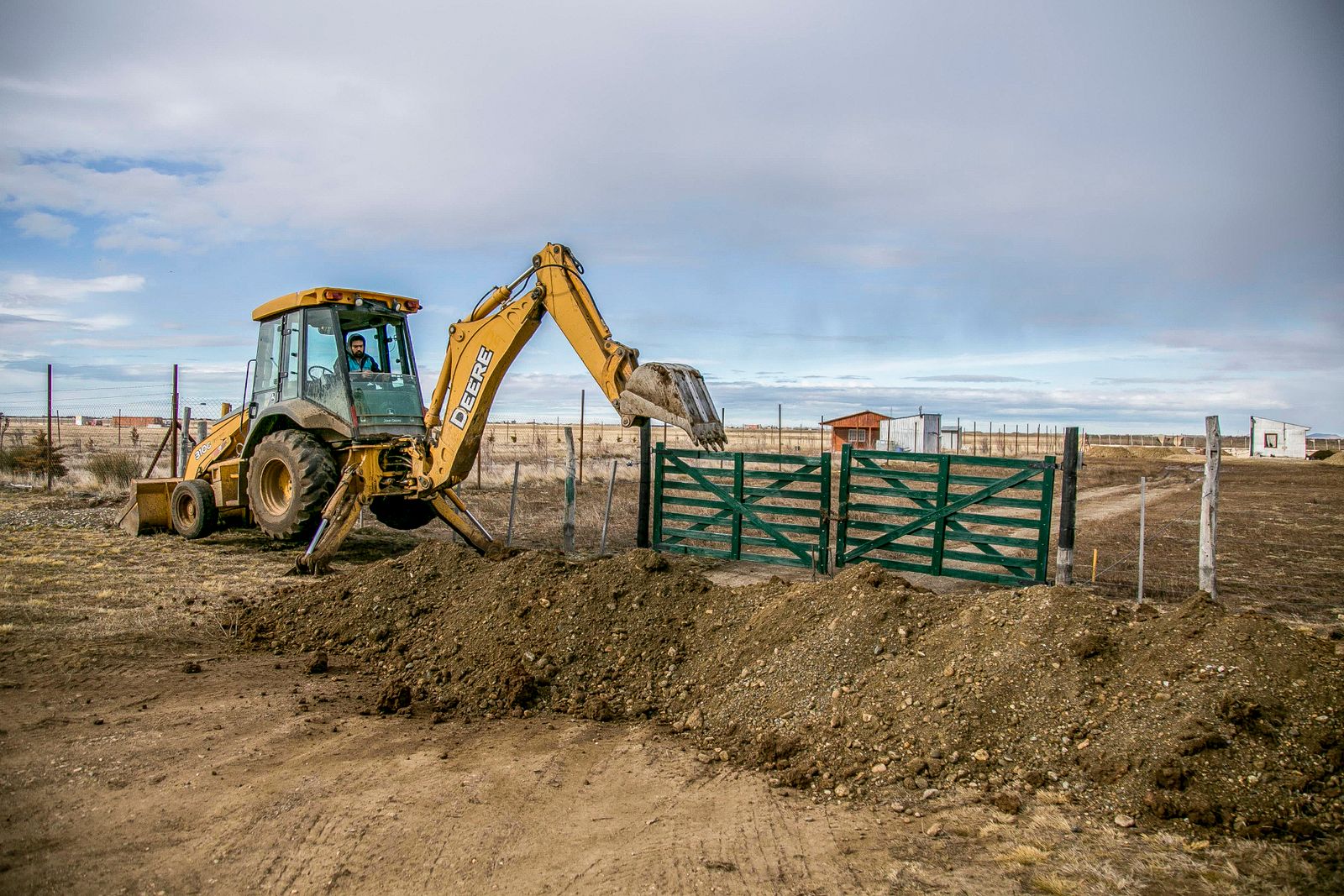
Expect a disturbed area covering the old and new bed footprints plus a machine access route. Restoration means grading, topsoil and seed — it won't look established until the following season, and a raised bed will always read as a gentle rise in the lawn. Then protect it: no vehicles, no sheds or decks or patios over the bed, no deep-rooted trees nearby, and spread water use out rather than running everything on one day. Compaction, roots and overload are three of the five reasons the last bed died.
Not sure whether it's the bed or the whole system? That's the question the site and soil evaluation answers — and it's the step that has to come before any honest price. Use the free quote form below and note the age of the system and whether the tank is concrete or steel.