Orillia Septic publishes its price ranges because the alternative — three contractors, three numbers, no explanation — is how homeowners end up choosing the quote that left the most out. Here are the four tiers, and then the reasons your lot lands in one rather than another.
The four price tiers
- Conventional system — $18,000–$40,000. Septic tank plus a leaching (tile) bed in native soil. The baseline, and the cheapest option, available when the lot has enough depth of suitable soil above the water table and the bedrock.
- Raised or fill bed — $35,000–$50,000. When native soil can't do the treatment, the treatment zone gets built above grade out of imported material. Common on rocky and low-lying lots around the lakes.
- Advanced treatment unit — $40,000–$60,000+. The effluent is treated to a higher standard mechanically before dispersal, so a smaller dispersal area works. This is what small waterfront lots and tight setbacks usually end up needing.
- Replacement — add 10–20%. A replacement runs 10–20% above a comparable new install, because the old system has to come out and the property is already finished around it.
Note that the tiers overlap, and that the jump between them is bigger than the spread within them. Which tier applies is decided by a soil test — not by negotiation.
What actually drives the price
Soil percolation. How fast water moves through the native soil sets how big the bed has to be — and whether native soil can be used at all. Heavy clay and pure sand are both problems, for opposite reasons.
Water table. The design has to keep a vertical separation between the bed and the seasonal high water table. On low ground near Lake Couchiching or Lake Simcoe, the only way to get that separation is to build up — imported fill, trucked in by the load.
Bedrock. Shallow rock does the same thing from below, and rock excavation is expensive when it can't be avoided. Plenty of Oro-Medonte and Severn lots have a foot of soil over the Canadian Shield.
Lot size and slope. The bed needs its footprint, plus a reserved replacement area, plus setbacks from the well, the lot lines, the buildings and the water. Steep ground adds terracing, retaining and erosion control.
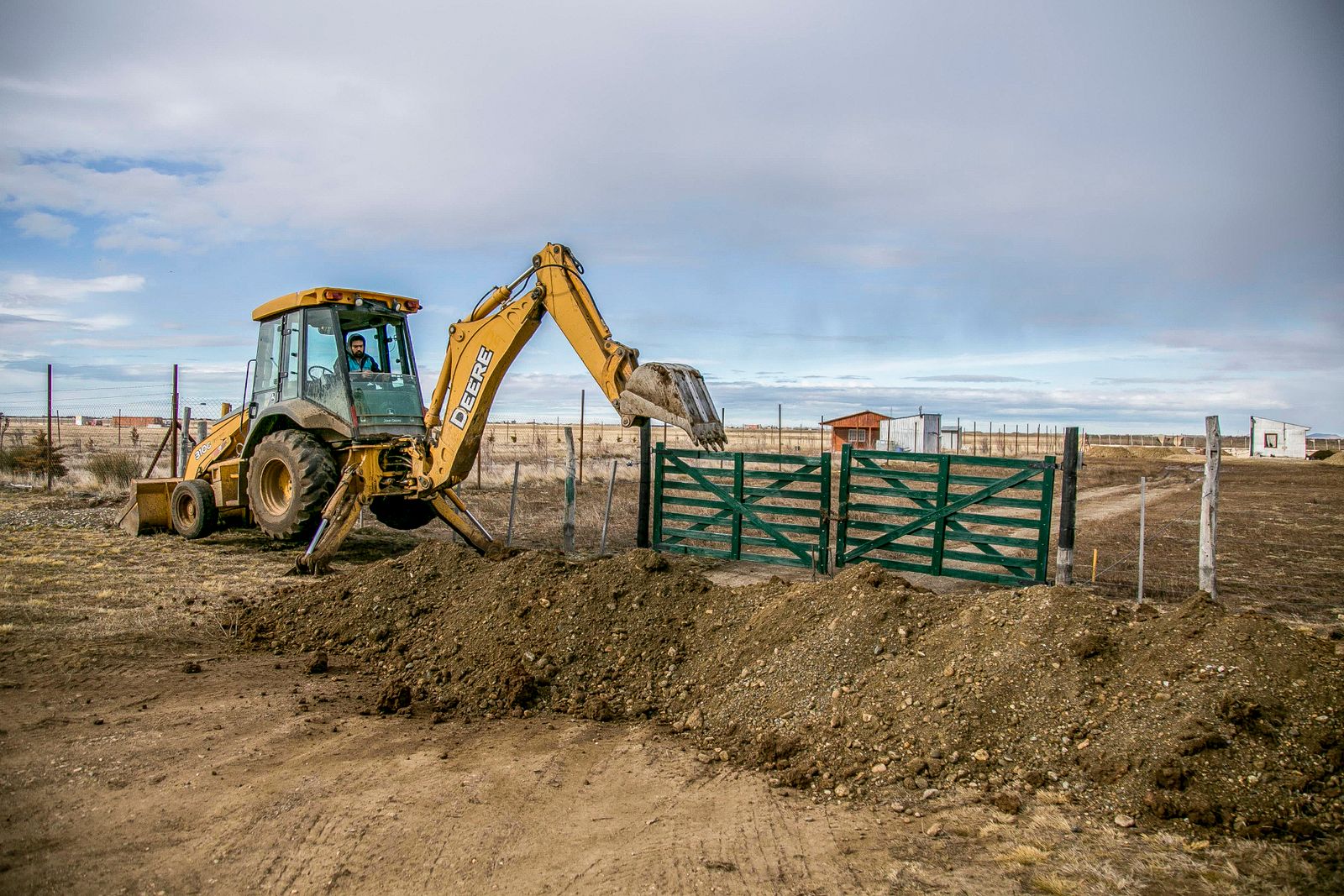
Access for machinery. If a full-size excavator and tandem trucks can reach the bed area, the job is efficient. If material has to be shuttled with a small machine past a cottage, around trees, or up a narrow lane, the same volume of fill costs multiples more to place. This is the single biggest hidden variable on waterfront lots.
Distance to the lake. Shoreline setbacks compress the usable area and, near Lake Simcoe, sit alongside stricter inspection requirements. Compressed area is what pushes a design toward a treatment unit.
Tank size by bedroom count. Design flow is calculated from the number of bedrooms, so a four- or five-bedroom house needs a larger tank and a larger bed than a two-bedroom cottage on the identical lot.
Why two quotes for the same house differ by $15,000
Almost always because they're not quoting the same system. One contractor has priced a conventional bed the soil won't actually support; another has priced the raised bed the design will require once the test pits are logged. Beyond that: how much imported fill is included and whether it's a firm quantity or an allowance, whether the design fee and permit are inside the number, whether restoration is included, and whether the old system's removal is priced or assumed.
The fix is simple. Get the soil test and the stamped design done first, then quote the same design to everyone. The spread collapses, and the comparison finally means something.
What's usually missing from the cheapest quote
- Design fees — the BCIN-qualified designer's site assessment and drawings.
- The permit — the municipal or health unit sewage system permit fee and application. See permits.
- Disposal — hauling away unsuitable excavated material, and on replacements, decommissioning the old tank and bed.
- Imported fill — quoted as an allowance rather than a measured quantity, which is the classic source of a change order.
- Restoration — topsoil, seed, final grading, driveway repair. The yard doesn't put itself back.
- Relocations — hydro lines, water lines, well lines, fencing or a shed sitting where the bed has to go.
Cottage versus year-round home
A seasonal cottage is not automatically cheaper. The system is sized on bedrooms and design flow, not on occupancy, so a three-bedroom cottage gets designed much like a three-bedroom house. In practice waterfront cottages often cost more: small lots, rock, shoreline setbacks and awkward access all push toward the upper tiers. And if winterizing is on the horizon, size for it now — redesigning later means a second permit and a second excavation through a finished yard. The install process itself is on our installation page.
Want a real number for your lot? A free written quote comes back within 24 hours, with the tier, the assumptions and what's included spelled out — so you can compare it line by line against anything else you're holding. Request the quote or call (705) 555-0164.